PATHWAY 10 · WORLDSCHOOLING
35.5951° N · 82.5515° W
The world as classroom
Learning through travel and global immersion — geography, history, and language studied in the places they live.
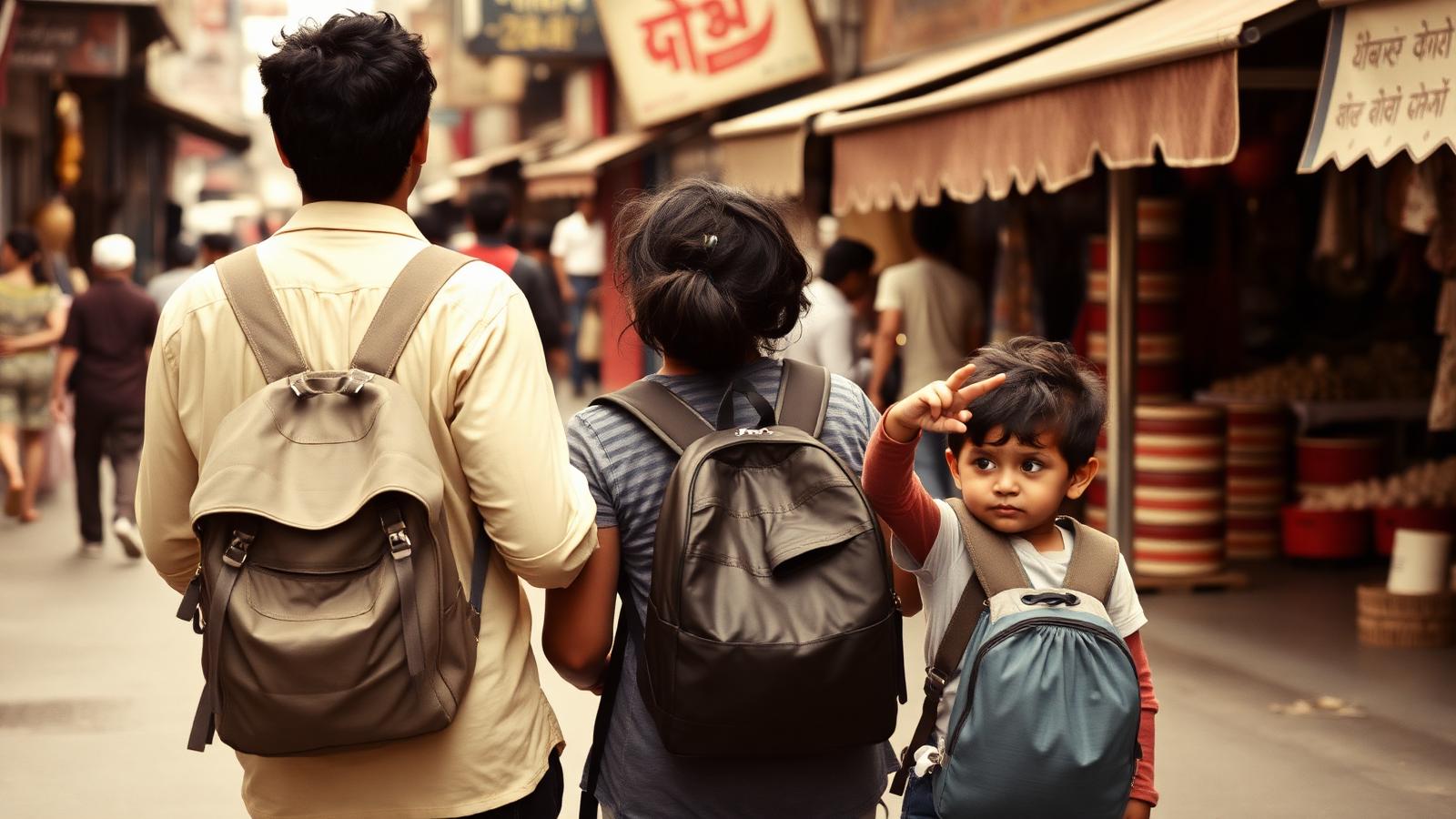
Worldschooling takes the field trip and makes it the whole school. Geography is learned on ferries, history inside the ruins, language at the market stall. Some families travel full-time; others take a single deliberate year; others slow-travel a region between longer stays at home.
It's less a method than a lifestyle that carries a method inside it — most worldschoolers layer travel over unschooling, an online school, or a portable curriculum. What they share is the conviction that the world teaches best in person.
THE ROOTS
35.5951° N · 82.5515° W
Worldschooling grew out of the unschooling and long-term family-travel movements of the 2000s — traveling unschooler Eli Gerzon is usually credited with popularizing the term. Remote work and a boom in family hubs and pop-up communities since the late 2010s turned it from a fringe lifestyle into an organized movement with retreats, co-living programs, and directories.
HOW IT WORKS
35.5951° N · 82.5515° W
- 01
The world is the curriculum. Geography, history, language, and economics learned in place.
- 02
A location-flexible lifestyle. Full-time nomadism, slow travel, or a single gap year all count.
- 03
Method-agnostic. Families layer worldschooling over unschooling, online school, or a portable curriculum.
- 04
Immersion as outcome. Real relationships across cultures are the point, not a side effect.
- 05
Portable documentation. Portfolios, umbrella schools, and online programs keep home-country requirements satisfied.
- 06
Deliberate community. Hubs, retreats, and meetups counter the isolation of the road.
A DAY ON THIS PATH
35.5951° N · 82.5515° W
The rhythm alternates travel days and deep days rather than following a timetable. A typical learning day: an hour or two of portable academics in the morning — online math, reading — then the real lesson: a temple, a market, a museum, a volunteer project, a language exchange. Evenings hold journaling and planning the next leg. Many families alternate fast travel with month-plus stays where routines rebuild.
WHO THRIVES HERE
35.5951° N · 82.5515° W
Families with location-independent income and flexible arrangements, and kids — and parents — who handle novelty well. It delivers a cultural fluency no curriculum can.
WORTH WEIGHING
35.5951° N · 82.5515° W
It is logistically and financially demanding. Friendships and extracurricular continuity suffer without deliberate community effort. Home-state homeschool law still applies wherever you roam, and teens often want more stability than the lifestyle naturally offers.
THE MISCONCEPTION
“Worldschooling is a permanent vacation.”
Sightseeing isn't the pedagogy. Worldschooling families do deliberate learning around travel, and most pair it with structured portable academics.
TRAIL MARKERS
35.5951° N · 82.5515° W
Established organizations, curricula, and books to start with — chosen for depth, not commission. Perspective tags help every family self-select; we don't editorialize.
ORGANIZATIONS & COMMUNITY
A paid co-living program: education centers plus family housing in hubs across Portugal, Greece, Italy, Spain, and Bali, for stays of one to twelve months.
Immersive temporary-learning-community retreats for teens and young adults.
CURRICULA & PROGRAMS
- Time4LearningSECULAR
Online PreK–12 curriculum that works anywhere with internet; automated records help with compliance.
- OutschoolSECULAR
Live online classes across time zones; traveling kids keep consistent teachers and peers.
- Khan AcademySECULAR
Free, app-based, offline-capable academics; the zero-cost backbone for many traveling families.
Accredited umbrella school with transcripts and a diploma; long used by traveling and international families.
ON THE SHELF
Wonder Year — Julie Frieder, Angela Heisten & Annika Paradise
The practical planning guide for a worldschooling year.
How to Be a Family — Dan Kois
An honest memoir of a year living in four countries with school-age kids.
WORTH A LISTEN
Weekly podcast on planning and funding slow, long-term family travel.
COMMON QUESTIONS
35.5951° N · 82.5515° W
Is worldschooling legal?
+
Yes. Your home state's (or home country's) homeschool law follows you — worldschooling families comply through their state's requirements, portfolios, or an accredited umbrella school such as Clonlara that issues transcripts and a diploma.
How much does worldschooling cost?
+
It ranges wildly: slow travel in lower-cost regions can undercut a U.S. cost of living, while hub programs like Boundless Life are a premium product. The honest budget line items are flights, insurance, and the income flexibility to be mobile.
How do worldschooling kids keep up academically?
+
Most pair travel with a portable core — online math, reading, an online school like Time4Learning or classes on Outschool — done in a morning hour or two, with the place itself carrying history, geography, and language.
Does worldschooling work for teenagers?
+
Yes, with more intention: teens need peers and continuity, which is why teen-specific retreats (Project World School) and longer hub stays exist. Many families slow their travel rhythm as children reach the high school years.
WHERE PATHS CROSS
35.5951° N · 82.5515° W
Worldschooling most often rides on Unschooling or a portable Traditional core — and nearly every worldschooling family is Eclectic in practice.
Not sure this is your path? Find your bearings.
Take the 5-minute quiz